
Cataract & presbyopia
Cataract IOL types: monofocal vs multifocal lenses compared
The lens you choose decides how you see after surgery. Cataract IOL types fall into monofocal, multifocal and specialty groups. Today's lenses can treat the cataract and also correct presbyopia and astigmatism. This guide compares them and lists each lens we use in Seoul.
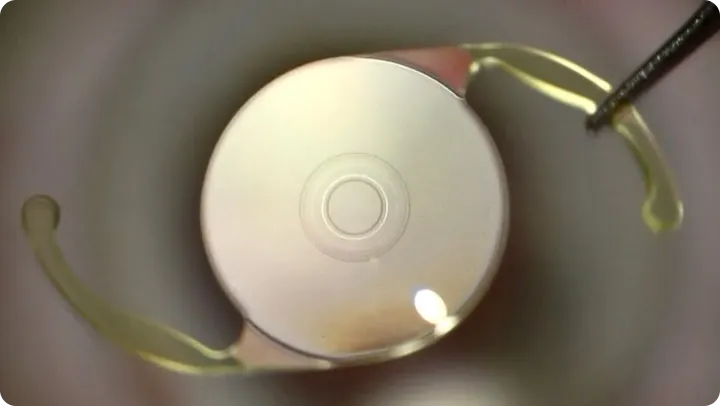
Monofocal vs multifocal lenses
Cataract surgery can now do more than clear the cloudy lens. Advanced lenses correct presbyopia and astigmatism at the same time. We use lenses certified by the US FDA and European CE. We choose the lens by looking at your occupation, age and lifestyle.
| Monofocal IOL | Multifocal IOL | |
|---|---|---|
| Focus | Focused on one essential distance | Near to far |
| Where vision improves | Only at the focused distance | Regardless of distance |
| Reading glasses after surgery | Needed | Not needed |
| Suited to | Older adults who do little near work | People with active lives, such as night driving and sports |
Among all cataract IOL types, the right one depends on your eyes and daily life. Not sure which fits you? Our cataract tests give the measurements your surgeon needs to recommend a lens, and the presbyopia and cataract guide explains why near vision changes.
Diffractive multifocal lenses
A diffractive lens has dozens of tiny concentric steps on one surface. Light bends as it crosses them and forms several focal points.
| Lens | Maker | What the source notes |
|---|---|---|
| Synergy | Johnson & Johnson (released 2021) | Combines continuous focus with multifocal design. Filters the purple wavelength that causes glare. Good night contrast sensitivity. |
| Fine Vision | PhysIOL | Made by the first trifocal lens maker. Stable lens position. Can correct corneal astigmatism during cataract surgery. |
| PanOptix | Alcon (USA) | Quadrifocal lens in biocompatible hydrophobic material. Delivers more light to the retina and aims to reduce night glare and weaker near vision. |
| RayOne | Rayner | Trifocal lens. Smallest incision to limit astigmatism after surgery. Lens surface aims to limit glare and halos. |
| Lisa Tri | Carl Zeiss | Trifocal lens that adjusts the light reaching the retina. Smallest incision. Aims to limit night vision problems, halos and glare. |
| Odyssey | Johnson & Johnson (released August 2025) | Newest lens. Higher light use, smoothed surface to reduce night glare and continuous near, intermediate and far vision. |
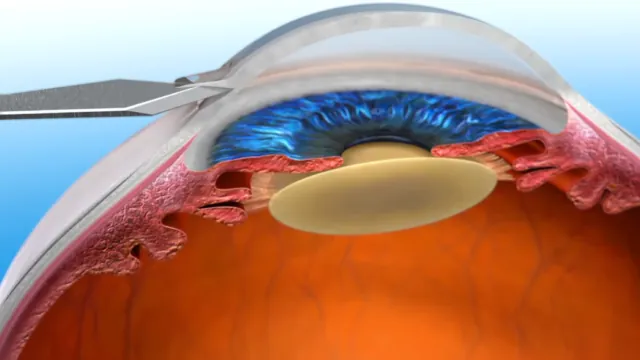
Refractive and specialty lenses
Refractive multifocal: Lentis M Plus
A refractive lens has zones with different focal lengths for near, intermediate and far. Lentis M Plus is less affected by pupil size during surgery and loses less distance light, which improves distance vision and reduces night glare. If you have had refractive surgery before, it is less affected than diffractive lenses.
Specialty: Vivity
Specialty lenses use wavefront technology to extend the range of focus. Vivity has no rings that cause glare. It gives extended vision from far through intermediate to near. Its main advantages are less glare than other lenses and strong distance to intermediate vision.
Your surgeon decides with you after the exam. Knowing the cataract IOL types above helps you ask better questions. After surgery, follow the cataract surgery recovery guide. Back to the cataract and presbyopia center or book your free consultation.
Questions answered
What is the difference between monofocal and multifocal lenses?
A monofocal lens focuses on one essential distance and you need reading glasses afterward. A multifocal lens gives vision from near to far, so reading glasses are not needed.
Who is a monofocal lens suited to?
Older adults who do little near work. Multifocal lenses suit people with active lives, such as night driving and sports.
Which lens suits me if I had refractive surgery before?
Lentis M Plus, a refractive multifocal lens, is less affected than diffractive lenses in patients who have had previous refractive surgery. Your surgeon makes the final choice.
Are the lenses safe and certified?
We use lenses certified by the US FDA and European CE and choose among them based on your occupation, age and lifestyle.
Get your free consultation before you decide
- Free consultation and checkup, even if you decide against surgery
- Same price as Korean patients, no overseas surcharge
- Interpreters in English, Japanese and Chinese

