
Retina & glaucoma
Uveitis treatment Korea: causes, types and care
Uveitis is inflammation inside the eye that can cause redness, pain, floaters and falling vision. For uveitis treatment Korea offers a cause-first approach: Sky Eye Clinic's retina team in Seoul finds the cause, then treats it with drops, medication or surgery as needed.
What uveitis is
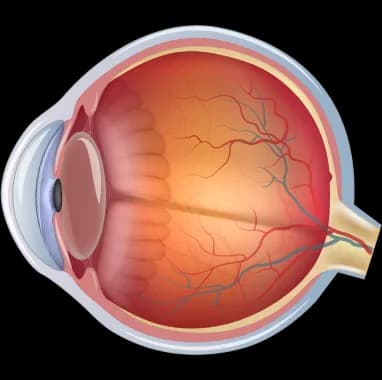
Your eye has three layers. The sclera is the outer layer and the retina is the inner layer. Between them lies the uvea, made of the iris, ciliary body and choroid. Inflammation of the uvea is called uveitis.
The uvea is rich in blood vessels and connective tissue, so it inflames easily. Untreated uveitis for a long time can cause cataracts, retinal abnormalities and glaucoma, and can lead to blindness. It is part of our retina clinic care.
Causes
- Infectious uveitis: viral, bacterial or fungal infection.
- Non-infectious uveitis: immune responses linked to autoimmune disease, tumors, trauma, surgery or degenerated tissue.
Types and symptoms
Symptoms vary with the degree of inflammation and the cause. Common ones include redness, light sensitivity, tearing, reduced vision, floaters, distorted vision, objects looking larger or smaller, and colors looking different.
Anterior uveitis
Inflammation in the iris and front of the ciliary body. Visual impairment is often mild, and vision can recover after treatment. Symptoms: redness, light sensitivity, tearing, pain, reduced vision.
Intermediate uveitis
Inflammation in the middle uvea, mainly the vitreous and peripheral retina. It is mostly non-infectious and occurs mainly in adolescents and young adults. Symptoms: floaters, mild to moderate vision loss.
Posterior uveitis
Inflammation of the retina and choroid, with rapid vision decline. It can easily cause retinal swelling, especially macular edema. Symptoms: rapid vision loss, severe pain, floaters, color abnormalities, distorted vision.
Panuveitis
The most severe form, with inflammation across the whole uvea. It can occur in Behçet's disease, Vogt-Koyanagi-Harada syndrome, multifocal choroiditis with panuveitis and syphilis. Symptoms: rapid vision loss, severe pain, floaters, distorted vision.
Treatment
Because uveitis has many causes, uveitis treatment Korea doctors give starts by identifying the cause.
Infectious uveitis
Your doctor prescribes antibiotics, antifungals or antivirals that match the cause.
Non-infectious uveitis
Eye drops reduce the inflammatory response, and steroids are given gradually according to your condition. When an autoimmune disease is involved, systemic immunosuppressive therapy is added. For recurrent uveitis, the biologic agent Humira is used.

Surgical treatment
Vitrectomy removes abnormal vessels and membranes on the retina. It is used for non-absorbing vitreous hemorrhage or opacity, repeated hemorrhage, tractional detachment threatening the macula or with tears, severe macular hemorrhage, cases where laser is not possible, and new vessels on the iris.
When to see a doctor
See a doctor if you have a red, painful eye, light sensitivity, floaters or falling vision. Delayed treatment can bring complications, including glaucoma and retinal detachment. Book your free consultation to be examined with an interpreter.
Questions answered
What are the main symptoms of uveitis?
Redness, light sensitivity, tearing, reduced vision, floaters and distorted vision are common. Exact symptoms depend on the type and cause.
What causes uveitis?
Infections (viral, bacterial or fungal) or immune responses linked to autoimmune disease, tumors, trauma, surgery or degenerated tissue.
Which type of uveitis is most severe?
Panuveitis, where inflammation spreads through the whole uvea. It can occur in Behçet's disease and Vogt-Koyanagi-Harada syndrome, among others.
What happens if uveitis is not treated?
Long-term inflammation can cause cataracts, retinal abnormalities and glaucoma, and can lead to blindness.
Get your free consultation before you decide
- Free consultation and checkup, even if you decide against surgery
- Same price as Korean patients, no overseas surcharge
- Interpreters in English, Japanese and Chinese

