
Retina & glaucoma
Retinal vascular disease Korea: artery and vein occlusion
When a retinal artery or vein blocks, your vision can drop suddenly or blur. For retinal vascular disease Korea has a retina team at Sky Eye Clinic in Seoul that examines your eye and explains treatment for artery and vein occlusion, where timing matters.
What retinal vascular disease is
Retinal vascular diseases take several forms, including retinal artery occlusion, retinal vein occlusion, ocular ischemic syndrome and hypertensive retinopathy.
The retina has arteries that bring blood and veins that carry used blood back toward the heart, plus branches of each. When these vessels block for various reasons and vision is lost, it is called retinal vascular occlusion. See our wider retina clinic care. Retinal vascular disease Korea patients face often links to diabetes and blood pressure.
By location and area, occlusion is classed as central or branch retinal artery occlusion, and central or branch retinal vein occlusion.
Types and risk factors
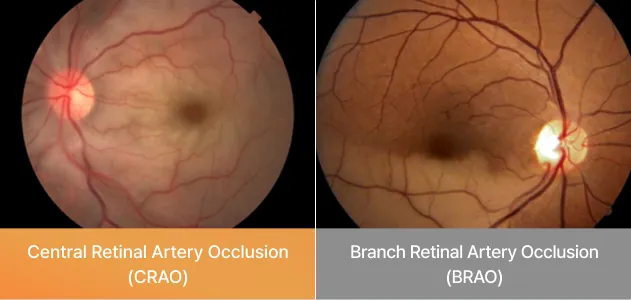
Retinal artery occlusion
The eye gets oxygen and nutrients from blood in the choroid and the central retinal artery. When these vessels block, they cannot work normally. It mainly occurs in people with conditions that impair circulation, such as diabetes, obesity, hypertension and heart disease, or in people aged 50 to 70.
Retinal vein occlusion
It is likely to occur with arteriosclerosis, hypertension, diabetes and hyperlipidemia, which disturb circulation, and can have other causes too.

Symptoms
Artery occlusion
Sudden vision loss or temporary blindness. It occurs in both eyes in about 1 to 2% of cases and typically affects one eye.
Vein occlusion
Decreased and blurred vision. It also tends to affect one eye. It can promote new vessel growth and lead to complications such as glaucoma, so regular check-ups are needed.
For artery occlusion, treatment must start within 24 hours to restore blood flow. Delay can make vision recovery difficult.
Treatment
Retinal artery occlusion
Treatment aims to restore blood flow within 24 hours. This includes quickly lowering eye pressure and ocular massage. Depending on your condition, vasodilators or anticoagulants may also be used.
Retinal vein occlusion
Laser, anti-VEGF injection or steroid injection can reduce swelling in the retina. Depending on the eye, fundus photocoagulation may also be done to suppress new vessel growth.
When to see a doctor
Sudden vision loss needs urgent care. If you have hypertension or diabetes, schedule regular retinal exams. Related pages: diabetic retinopathy and glaucoma. Book your free consultation for an exam with an interpreter.
Questions answered
What are the symptoms of retinal artery occlusion?
Sudden vision loss or temporary blindness, usually in one eye. It affects both eyes in about 1 to 2% of cases.
How quickly should artery occlusion be treated?
Treatment must begin within 24 hours to restore blood flow. Delay can make vision recovery difficult.
How is retinal vein occlusion treated?
Laser, anti-VEGF injection or steroid injection can reduce retinal swelling. Fundus photocoagulation may be added to suppress new vessel growth.
Who is at risk of retinal vascular occlusion?
People with diabetes, obesity, hypertension, heart disease, arteriosclerosis or hyperlipidemia, and middle-aged and older adults aged 50 to 70.
Get your free consultation before you decide
- Free consultation and checkup, even if you decide against surgery
- Same price as Korean patients, no overseas surcharge
- Interpreters in English, Japanese and Chinese

