
How Long Is Cataract Surgery? The Next Morning Matters More
How long is cataract surgery once you count everything around it, from the morning you check in to the day your eye is ready for the flight home, and how many paid hotel nights does that add up to?
On this page
How long is cataract surgery on the day itself?
The operation itself is short: usually under half an hour of actual surgery, and around an hour once preparation is included.
Hello, I'm Dr. Kim Dong-Soo, Center Director for presbyopia and cataract at Sky Eye Clinic in Seoul.
I'm a LENSAR Certified Laser Cataract Specialist, USA, and at this clinic the surgeon who consults with you performs your procedure directly, so the person who plans your days around surgery is the person operating. The same medical team then supports you through the key post-operative checks. If English isn't your first language, or a parent is coming with you, a medical interpreter for your language is provided at no extra charge.
If a doctor at home has already told you there's a cataract, send a photo of that report on WhatsApp with the travel window you have in mind, and ask how many nights your own case is likely to need. The consultation is free.
Expect the operating part to be brief and the day to be long. Most of your hours go to preparation, numbing and dilating drops, and resting afterward before your eye is checked.
Published figures differ because they measure different things. Both are right; one simply includes the setup.
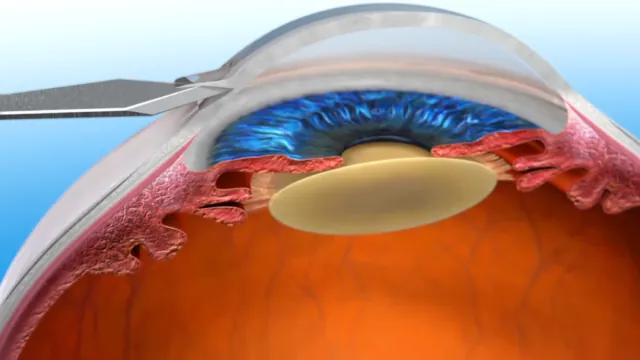
Inside the eye, the work goes like this. Your natural lens has clouded, a bit like a camera lens fogged from the inside. The surgeon opens a small round window in the thin capsule that holds it, breaks the cloudy lens into pieces, removes them, and unfolds a clear artificial lens into that same capsule. For these steps the clinic has a LENSAR laser and Signature Pro ultrasound equipment, and IOLMaster biometry for measuring the lens power beforehand.
Two practical points for that day. You stay awake with numbing drops, and you can't drive afterward, so plan a taxi or a companion back to your hotel. And because the lens has to be measured before surgery, ask at booking whether your exam and your operation fall on the same day or on separate days, since that alone can add a night to your plan.
What the first two weeks usually feel like
Most people feel better within a day or two and notice clearer vision within days. The eye keeps healing for weeks after that; for most people healing is complete at about eight weeks.
| When | What's usual | What it means for your trip |
|---|---|---|
| Surgery day | Blurry, scratchy, light-sensitive; a shield may cover the eye | Hotel and rest, no sightseeing |
| Next morning | First check of eye pressure and healing | Stay within easy reach of the clinic |
| Days 2 to 7 | Itching and glare easing, vision clearing, drops on a schedule | Light walking is fine; no rubbing, bending low or lifting heavy bags |
| Around week 2 | Early recovery mostly done | A common point to talk about flying home or the second eye |
| Up to week 8 | Healing completes and your glasses prescription settles | Get new reading glasses at home, not in Seoul |
The part people underestimate is the drop schedule. You'll typically use antibiotic and anti-inflammatory drops several times a day for weeks. When you cross time zones, keep the hours between doses the same rather than the clock times, and set phone alarms before you board so the first day home doesn't leave a gap.
Flying itself isn't the concern after uncomplicated cataract surgery. There's no gas bubble in the eye, as there can be after some retina operations, so cabin pressure doesn't threaten the new lens. The real issues are dry cabin air, rubbing a tired eye on a long flight, and being far from your surgeon if something changes in the first week. Lubricating drops in your carry-on and the shield for sleeping on the plane handle the first two.
How many nights in Seoul should you plan?
Three fixed points set the number: the exam before surgery, the check the morning after, and the roughly two weeks of early recovery that general guidance describes. How many of those days you spend in Seoul is something to settle with your surgeon once your eyes have been examined.
The clinic's week shapes the calendar more than people expect. Sky Eye Clinic is closed on Thursdays for equipment inspection and on Sundays and public holidays, and Saturdays run 10:00 to 14:30 for exams and surgeries only. A Wednesday or Saturday surgery puts the next morning on a closed day, so if your dates push you toward either, ask at booking how the next-day check is handled before you buy tickets.
Say you're 66, living in Kuala Lumpur on a pension, with both eyes clouding but the right one worse, and every hotel night comes out of the same budget. I'd plan the first trip around the worse eye: exam early in the week, surgery on a day with an open clinic the next morning, then a quiet stay rather than a packed one. Whether the left eye follows on the same trip or on a second one depends on how the first eye heals and how dense the second cataract is. Staying on usually means fewer flights; going home in between means fewer nights in a row.
Guidance on the gap between eyes differs. Some sources suggest at least one to two weeks, others about a month, and a few health systems now operate on both eyes on the same day. I prefer to see the first eye settle before touching the second, because how it heals and how its lens power works out can refine the plan for the other eye.
If hotel nights are tight, the one I'd protect is the night right after surgery, not the night before your flight home. Spending that first evening near the clinic keeps you close for the morning check, and that check is where a pressure rise or early inflammation is caught while it's still easy to treat.
Once you have a rough window, send your earliest and latest possible travel dates on WhatsApp with a list of every eye drop and medicine you take now, and ask whether one trip or two fits your eyes better.
Inflammation, pressure and a cloudy capsule: what to watch for at home
Most reactions in the first days are temporary: itching, mild discomfort, light sensitivity and some glare. The problems that need a doctor the same day are uncommon, and they're worth knowing before you fly.
Risks and side effects to know
A gritty feeling and a watery eye usually ease over the first several days. Halos around lights at night can take longer, especially with a multifocal lens. How quickly each eye settles differs from person to person, which is exactly why the next-morning check isn't optional.
Some situations call for a longer conversation before you book, or for waiting:
- Poorly controlled diabetes or active retinal disease, since the retina can limit how much the new lens helps
- An active eye infection or inflamed eyelids, which are usually treated first
- Earlier LASIK, LASEK or other corneal surgery, because the reshaping described in how the cornea decides between LASIK and LASEK also changes how the lens power is calculated
- A history of uveitis or glaucoma
- Some prostate medicines (alpha-blockers), which can affect how the iris behaves during surgery, so bring the full list
Once you're home, see an eye doctor the same day for vision that drops instead of improving, pain that medicine doesn't settle, a very red eye, or a burst of flashes or new floaters. These can signal infection, inflammation, raised pressure or a retinal problem, and none of them should wait for a return flight. Pack a copy of your surgery record and the details of your lens so a local ophthalmologist can see exactly what was done.
Months or years later, the capsule left behind to hold the lens can turn hazy. This is called a secondary cataract, and it feels like the cataract returning. It's treated with a short outpatient laser; you can read about secondary cataract treatment, and any ophthalmologist with a YAG laser can do it near home.
Your lens choice shifts the timeline a little
With a monofocal lens, most people adapt quickly and use reading glasses for close work. Multifocal and other specialty lenses reduce dependence on glasses, but the brain can take weeks to months to get used to them, and night halos are more common early on. If you're weighing the options, the overview of cataract lens types sets them side by side. For a tight trip, that adaptation period is something to have at home, not on a schedule you're trying to compress.
What to check before you book flights, wherever you go
In short, it doesn't have to be us, but before you buy a non-refundable ticket, get clear answers to these from any clinic:
- Is the surgeon who examines you the one who operates?
- Which day does the next-morning check fall on, and is the clinic open that day?
- How is the lens power measured, and will you know which lens is planned before surgery day?
- Is an interpreter present for the exam and for the aftercare instructions?
- Which records and lens details do you leave with, for your eye doctor at home?
- Who do you contact if something changes after you're back home?
The deposit and the payment method here are settled after the consultation, so ask about both on WhatsApp once you know which trip shape you're leaning toward.
Where I stand on planning the days
The surgery is the short part; the days around it are where a trip abroad goes well or badly. I'd rather you plan one extra quiet night than squeeze the check into the morning of your flight. And if the exam shows your cataract isn't yet getting in the way of daily life, I'll tell you it can wait, because avoiding treatment you don't need yet is part of choosing what fits your eye. There's no need to pick dates before you know what your eyes need.
What decides your timeline is how dense each cataract is, how healthy the retina behind it looks, and whether you've had laser vision correction before. Sky Eye Clinic is at 723-26 Banpo-dong, Seocho-gu, Seoul, about a five-minute walk from Nonhyeon or Sinnonhyeon Station. Start with one photo of your latest eye report and your possible dates on WhatsApp, and ask the question that shapes your budget: one trip or two? The consultation is free.
— Dr. Kim Dong-Soo, Center Director
Results vary by individual.
Questions answered
How long is a cataract surgery appointment from check-in to leaving?
Much longer than the operation. Dilating and numbing drops need time to work, and afterward you rest in the recovery room, have your eye checked and go through aftercare instructions. Keep the whole day free, don't plan to drive, and ask at booking what time to arrive.
Can both eyes be done in one trip?
Sometimes. If your surgeon is comfortable with a gap of one to two weeks, both eyes can fit into one longer stay; if a longer gap is advised, two shorter trips are often easier on the budget. Bring reports for both eyes to the exam so the plan covers both from the start.
Will I be put to sleep for cataract surgery?
Usually not. Cataract surgery is normally done with numbing drops, sometimes with medicine to help you relax, and you stay awake. You'll see light and movement rather than the instruments, and you'll be asked to look toward a light while the surgeon works.
When can I shower, read or use my phone?
Reading and screens are usually fine from the next day if the eye is comfortable, though it tires sooner at first. Keep soap and water out of the operated eye for about the first week and follow the instructions you're given; swimming pools and hot tubs wait longer because of infection risk.
What if my vision turns cloudy again a year later?
The artificial lens itself can't develop a cataract. Haze at that stage is usually the capsule behind it, and the laser treatment for it takes a few minutes, needs no incision, and can be done by an ophthalmologist near home if they have a YAG laser.
Get your free consultation before you decide
- Free consultation and checkup, even if you decide against surgery
- Same price as Korean patients, no overseas surcharge
- Interpreters in English, Japanese and Chinese