
Can LASIK Blind You? Rarely, and Some Eyes Should Skip It
Afraid that a laser aimed at your eye could leave you unable to see?
On this page
How could LASIK cost someone their sight?
Losing your sight completely from LASIK is very rare, but the risk isn't zero. The U.S. FDA lists infection and inflammation after surgery among the complications that can, in some cases, end in irreversible blindness, and some people lose sharpness that glasses can't bring back. Most of that risk is settled before surgery, by spotting the eyes that shouldn't have LASIK at all.
Hello, I'm Dr. Kim Sang-Myung, an ophthalmologist on the vision correction team at Sky Eye Clinic in Seoul. I completed my training at Yonsei Severance Hospital Ophthalmology.
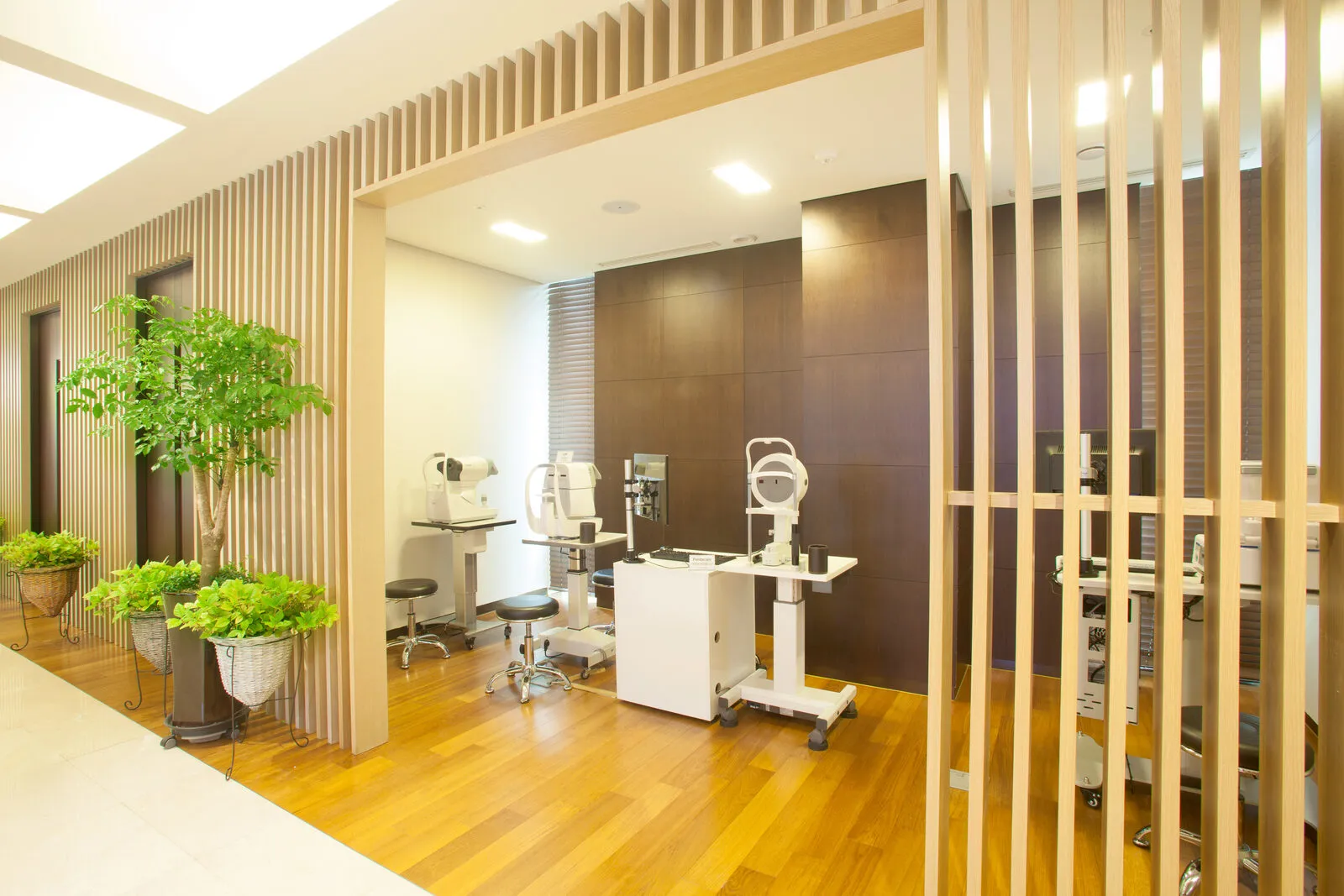
Turning someone away after the scan is part of protecting their sight. The clinic has a Pentacam to map the shape of your cornea and a Corvis ST to measure how stiff it is, and the surgeon who consults with you is the one who performs your procedure.
If you already have a corneal topography map or a recent eye-exam report, send a photo of it on WhatsApp with one question: is there enough healthy cornea here for LASIK? The consultation is free.
Serious vision loss after LASIK almost always comes from one of a few problems, and each has a different timetable.
Infection. A corneal infection usually shows up within the first days after surgery. Caught early, it's treated with intensive drops. The danger is delay: pain and blur left for several days because they were mistaken for normal healing.
Ectasia. If the cornea is too weak for the tissue removed, it can slowly bulge forward months or even years later, and vision blurs as irregular astigmatism climbs. Most cases trace back to an eye that already had early keratoconus, or one that was left too thin.
Flap problems. LASIK lifts a thin flap and lays it back. A hard knock can shift it, inflammation can gather underneath, or surface cells can grow beneath its edge. These are usually found at check-ups and repaired, though they can cost some sharpness.
Avellino corneal dystrophy. In people who carry this gene, laser surgery can make cloudy deposits in the cornea grow. The clinic offers an optional Avellino DNA test, and if the result is positive, surgery is avoided.
The more common losses are quieter. Some people lose a line or two on the eye chart that glasses can't recover, some develop glare, halos or double vision that make night driving harder, and a few end up with dry eye severe enough to need long-term treatment. None of these is blindness, yet for most readers they're the risks worth weighing more.
Which eyes should never have LASIK?
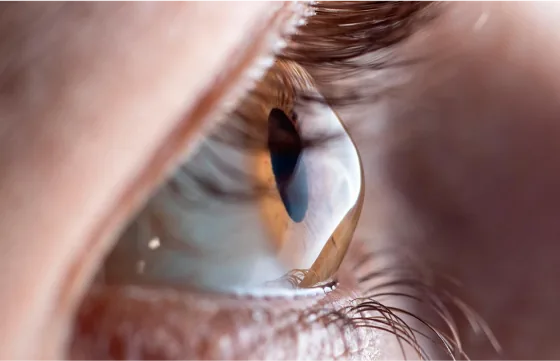
Think of the cornea as a drumhead. It keeps its curve because the skin is thick enough to resist the push from behind; the normal pressure inside the eye is 10 to 20 mmHg. Shave the skin too thin and, under that same steady push, it starts to bow outward. That is ectasia. In LASIK the flap (roughly 100 to 160 microns) adds little to the cornea's strength afterward, so what counts is the untouched bed underneath, and many surgeons want at least 250 to 300 microns left there.
The eyes I would not put under a LASIK laser:
- A topography map with irregular or one-sided steepening, or a family history of keratoconus
- A cornea too thin for the amount of correction needed
- A positive Avellino test
- A prescription that has changed noticeably over the past year
- Pregnancy or breastfeeding, or conditions that slow healing, such as uncontrolled diabetes or some autoimmune diseases
- Active eye infection or inflammation, or dry eye that is already severe
When a cornea is thin but evenly shaped, the conversation usually moves to surface treatment. I've set out that trade-off in how your cornea decides between LASIK and LASEK.
One thing most pages leave out: contact lenses bend the cornea. A map taken while it is still warped can hide early keratoconus or imitate it. Leave soft lenses out for about two weeks before the scan, and toric or rigid lenses for longer.
Say you're 31, minus 7 in both eyes, with corneas around 510 microns. The prescription alone looks workable for LASIK. Now say the map shows the lower half of your left cornea running steeper than the upper half, and the Corvis ST reading points to a softer cornea than average. With that pattern I would not cut a flap or remove tissue from either eye, even if you had flown in with surgery in mind. The next step is to rule early keratoconus in or out, and if laser removal is off the table, an ICL lens implant, which removes no corneal tissue, becomes the option to discuss.
Serious visual side effects, although rare, have occurred when surgery went ahead despite an exam result advising against it. So I treat a no after the scan as a finding about your eye, and I say it plainly. A cancelled operation costs you a trip. A weakened cornea costs you far more.
Can you go blind from LASIK eye surgery if your scans look normal?
The risk becomes very small, and what's left is mostly infection in the first week. That part is largely in your hands: use the antibiotic and anti-inflammatory drops on schedule, sleep in the eye shields, don't rub, and keep tap water, pools and hot tubs away from your eyes for the first one to two weeks.
The rule worth taping to your mirror: in the first few days your eye should feel a little better each morning. Pain that grows, a white spot on the cornea, spreading redness or vision getting worse instead of better means an eye exam that same day, not at the next scheduled check.
Infection, flap shifts and dry eye: how often and how long
Almost everyone has some gritty dryness, night glare or vision that swings during the first weeks, and for many people it settles over a few months. Lasting dry eye, night halos that don't fade, or a small leftover prescription that needs a touch-up are less common. Infection, a shifted flap and ectasia are rare. How your own eyes heal varies, which is why the checks after surgery matter.
The same medical team supports you from examination and consultation through surgery and the key post-operative checks in Seoul. For the months after you fly home, line up a local ophthalmologist before your trip and ask for a copy of your surgery record, so they can see exactly what was done.
The topography map that answers whether LASIK is safe for you is the same page that shows which of these risks applies to your eyes, so it's the one photo worth sending.
Is New SMILE or LASEK gentler on the cornea than LASIK?
Each method changes what can go wrong. None of them makes a keratoconic cornea safe to treat.
| Method | What changes for your sight | Who it tends to suit |
|---|---|---|
| LASIK | A flap can shift after a hard knock; needs enough cornea left under the flap | Even, thick enough corneas; fast visual recovery |
| New SMILE LASIK | No flap, a 2 mm incision; still removes tissue from inside the cornea | Even corneas, people worried about flap trauma |
| LASEK | No flap, keeps the most cornea; more discomfort and slower recovery in the first days | Thinner but evenly shaped corneas |
| ICL lens implant | No corneal tissue removed; surgery inside the eye, with risks such as cataract or raised eye pressure | High prescriptions, thin corneas |
New SMILE LASIK here runs on the SCHWIND ATOS laser, and Smart Nova LASIK adds CenTrax, which corrects for eye rotation and docking error. LASEK uses the SCHWIND Amaris Red SPT. The choice between them follows the scan, not the brochure.
What you can check from home before you fly
Much of what protects your sight can be checked before you buy a ticket. The clinic publishes a surgeon name disclosure page, so you can see who performs surgery, and the surgeon who consults with you is the one who operates. Its complication prevention program includes daily equipment checks, and the clinic closes on Thursdays for equipment inspection, which is worth knowing when you plan your days.
The first-visit exam includes corneal topography to detect keratoconus and irregular corneas, an eye-pressure test, fundus photography of the retina and a slit-lamp exam with the doctor. The clinic opened in 2007 as Gangnam Bright Eye Clinic, and several of the doctors here had LASIK or LASEK themselves, so they can describe recovery from the patient's side. If English isn't the language you think in, there is a medical interpreter for your language at no extra charge, which matters when the conversation is about risk.
Where I stand on LASIK and your sight
LASIK is not for everyone, and I would rather say that on the day of the scan than discover it years later in a bulging cornea. When the cornea is thin, I steer toward a LASEK-type procedure that keeps the most tissue; when it's irregular, I don't remove tissue at all. As a Full Member of the Korean Society of Cataract and Refractive Surgery, I hold myself to that line.
What decides this for you is the shape and stiffness of your cornea: whether the map is even from top to bottom, and how much untouched tissue would remain under the treatment.
The consultation is free. On WhatsApp, send a photo of your corneal topography map or your most recent eye-exam report, and ask: does my cornea leave a safe margin for LASIK, or should I be looking at another method?
— Dr. Kim Sang-Myung, Ophthalmologist
Sky Eye Clinic, 723-26 Banpo-dong, Seocho-gu, Seoul (Building A B3–10F · Building B 1F)
Results vary by individual.
Sources
Questions answered
Can LASIK cause vision loss years after surgery?
Yes, through ectasia, which can appear months or years later. The warning sign is blur that returns along with rising, irregular astigmatism in a new glasses prescription. Corneal cross-linking is the treatment usually used to stop the cornea from bulging further, so an eye doctor should check any late change rather than simply updating your glasses.
Can the laser itself damage the retina?
The excimer laser used in LASIK works on the front layers of the cornea, and its energy is absorbed there rather than travelling to the retina. Retinal problems after LASIK are uncommon; people with high myopia have a higher baseline retinal risk regardless of surgery, which is one reason the exam photographs the retina.
Can you go blind from LASIK surgery if you move during it?
Modern lasers track the eye and pause when it moves out of range, so a small twitch doesn't send the beam somewhere else. On Smart Nova LASIK, CenTrax also corrects for eye rotation and docking error. The procedure takes about 15 minutes, though the time varies with the method.
What if my eye gets worse after I'm back home?
Pain that increases, a white spot, spreading redness or vision getting worse are reasons to see an ophthalmologist that day, not to wait. Bring your surgery record so the doctor knows which method was used and how much tissue was treated.
How long should I stay out of contact lenses before the scan?
About two weeks for soft lenses, and longer for toric or rigid lenses. Lenses reshape the cornea slightly, and a map taken too soon can hide early keratoconus or make a normal cornea look irregular.
Get your free consultation before you decide
- Free consultation and checkup, even if you decide against surgery
- Same price as Korean patients, no overseas surcharge
- Interpreters in English, Japanese and Chinese