
Korea Smart Nova LASIK Reviews and Complaints: Which Ones Hold Up?
Reading Korea Smart Nova LASIK reviews and complaints and still unsure which ones describe what could happen to your own eyes?
On this page
What Smart Nova LASIK is, in plain terms
Give this ten minutes before you decide whether to trust a surgeon in Seoul with them.
You'll come away knowing which review claims hold up medically, what the complaints usually point to, how Smart Nova differs from other methods, and what its recovery and cost depend on. That's what you need to judge whether it fits your eyes and your budget.
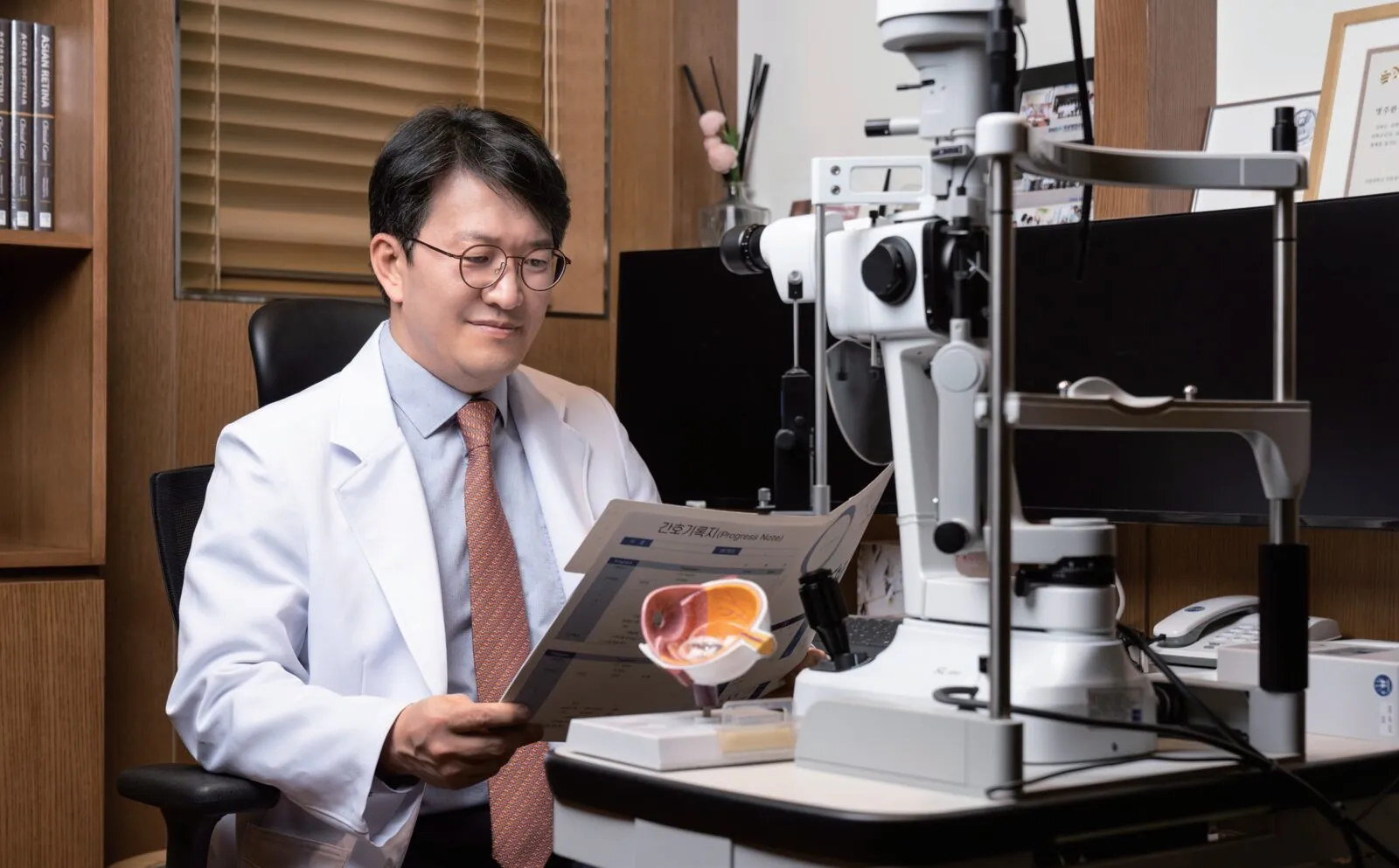
Hello, I'm Dr. Kim Sang-Myung, an ophthalmologist at Sky Eye Clinic in Seoul. I completed my ophthalmology training at Yonsei Severance Hospital and I'm a full member of the Korean Society of Cataract and Refractive Surgery.
Smart Nova LASIK runs here on the ATOS Nova Centrax laser, which we added in 2025. The same medical team supports you from examination through surgery and the key post-operative checks, and we publish a page naming the surgeons who operate.
I wrote this because the happiest reviews and the angriest complaints usually describe the first week, while what decides your long-term result is settled at the exam, before any laser is switched on.
Read a review as one person's early days. Blur, dryness and halos in the first weeks are often part of healing; the complaints worth weighing are about surgery done despite a borderline exam, or about having no plan once the patient flew home.
If one complaint keeps bothering you, paste that line into a WhatsApp message with a photo of your prescription and ask whether the issue is relevant to eyes like yours.
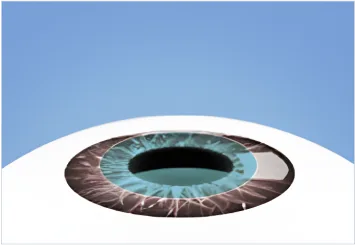
Smart Nova LASIK builds on New SMILE LASIK. In both, the ATOS laser separates a thin piece of corneal tissue sized to your correction, and the surgeon removes it through a 2mm micro-incision. No flap is made, so flap complications don't apply.
The difference is docking, the moment the laser attaches to your eye. Small errors can occur or remain at that step, and the eye tends to rotate slightly when you lie down compared with sitting up, a movement called cyclotorsion. Smart Nova adds CenTrax, which corrects that rotation and the docking error automatically. The system also takes refraction input in 0.05D steps and integrates biometry automatically.
On our Smart Nova LASIK page, it's recommended for people concerned about residual refraction or halos, people with high myopia and thin corneas, those who want precise astigmatism correction, and those who worry about side effects or pain after surgery. Whether Smart Nova LASIK, LASIK, LASEK or an ICL lens implant fits you is confirmed only after a full eye examination.
Which review claims hold up?
'The surgery was over in minutes.' True. Surgery day itself runs longer, because preparation, rest in the recovery room and a post-op eye check all come with it.
'It barely hurt.' Numbing drops make the operation tolerable for most people, though you feel pressure while the laser docks. What reviews skip is the evening after: irritation, tearing and a gritty feeling for some hours are common.
'I could see perfectly the next morning.' Some people do. For others, vision after lenticule-based surgery is hazier for a few days and keeps sharpening over the following weeks. Neither pattern on its own says the surgery went well or badly.
'I was back at the gym the next day.' For New SMILE LASIK, which Smart Nova builds on, our page says face washing, basic makeup and light exercise are possible from the day after surgery, following your surgeon's instructions. Light is the operative word; swimming and contact sports need your surgeon's go-ahead.
What are the complaints usually about?
Most Korea Smart Nova LASIK reviews and complaints that sound alarming fall into a few groups. Vision that swings between clear and blurry in the first weeks is common while the corneal surface settles; it matters when it gets worse instead of better. Dry, gritty eyes are common after any laser correction and usually improve with the drops you're given.
Halos and glare around lights at night are frequent early on, and the FDA notes they can persist for some people. A smaller group is under- or over-corrected and may need glasses for some tasks or a further treatment. These are real possibilities, and a clinic should talk about them before surgery, not after.
The last group isn't about the laser at all: not knowing who operated, feeling hurried through a consultation, or having nobody to contact after flying home. Those complaints are the easiest to prevent, because you can check each point before you book.
Say you read a thread where someone's vision went up and down for two weeks and they called the surgery a failure. Fluctuation in that window is common, so on its own it tells you little. What I'd want to know is whether it settled by the next check, and whether that person had dry eyes before surgery. If you have dry eyes now, that's the part of the thread that applies to you, and it belongs in your exam conversation.
The complaint I take most seriously isn't blur in week one; it's surgery that went ahead when the exam advised against it. Serious visual side effects, although rare, have happened that way. So when I read your measurements, I'm asking which procedure your cornea can safely take, and if the answer is a different method from the one you came for, I'll say so. That's also why I'd rather recommend what fits your eye than the procedure you read about.
How do you check a Korean clinic before you fly?
In short, these four checks work for any clinic, ours included:
- Who operates. Ask for the surgeon's name and read their listed credentials on the clinic's doctor page.
- What the exam measures. Corneal thickness and shape at minimum; corneal biomechanics and retinal imaging add context. Our exam equipment includes Pentacam, Corvis ST and Cirrus OCT 6000.
- What happens if you don't qualify. Ask which alternatives exist if your cornea rules out the method you came for. Our options span Smart Nova LASIK, New SMILE LASIK, LASIK, LASEK and ICL.
- The plan once you're home. The CDC advises medical travelers to arrange follow-up care at home and get copies of their records before leaving.
If you want to understand why corneal thickness keeps coming up, our comparison of how your cornea decides between LASIK and LASEK covers that ground.
Recovery: the days in Seoul and the weeks after
Aftercare instructions and follow-up appointments are covered before you leave.
FDA guidance for laser correction describes a first follow-up visit within a day or two of surgery, then more visits over the following months. Our hours matter here: Monday to Wednesday and Friday 10:00 to 16:30, Saturday 10:00 to 14:30 for exams and surgeries only, and closed on Thursdays, Sundays and public holidays. A Saturday surgery puts a closed Sunday right after it, so ask at booking how your first check would fit.
Over the following weeks, vision usually keeps sharpening, drops become part of your routine, and the rule against rubbing your eyes still applies. If you're comparing how recovery differs with a flap, our LASIK page lists early discomfort for LASIK at about half a day.
Once your flights are roughly sketched, message the dates on WhatsApp and ask how they line up with Smart Nova surgery and the follow-up checks.
What moves the cost of Smart Nova LASIK?
In short, these are the things that move it.
First, whether the exam supports Smart Nova LASIK at all. It adds CenTrax to New SMILE LASIK, so the two are separate procedures, and a cornea that points you toward LASIK on the Amaris Red SPT laser, LASEK or an ICL lens implant changes the fee with it.
Second, whether one eye or both are treated. Third, your nights in Seoul, which depend on fitting the exam, the surgery and the first checks around our Thursday and Sunday closures. Fourth, follow-up with an eye doctor at home once you're back.
Risks and side effects to know
The reactions most people notice are temporary: dryness, light sensitivity, watering, fluctuating vision and halos around lights at night. They usually fade over weeks to months, though in some people dryness or night halos last longer. Results differ from person to person, which is why the exam matters more than any single review.
As general medicine, laser correction is usually postponed if your prescription has changed within the past year, if you're pregnant or breastfeeding, or if you have a condition or take medication that affects healing. A thin or irregular cornea, which can be an early sign of keratoconus, is another reason to stop and reconsider; the FDA lists similar situations where laser surgery may not be suitable.
If something feels wrong after you fly home, such as sudden pain, a drop in vision or redness that keeps increasing, see an ophthalmologist where you live promptly and bring your surgical record. Keep using your drops exactly as prescribed until you're told otherwise.
On WhatsApp, send the one complaint you keep rereading and ask what it would mean for your own eyes. When you come to Seoul, the doctor examines your eyes and recommends the procedure that fits them, whether that's Smart Nova LASIK or another option.
Results vary by individual.
Sources
Questions answered
Is Smart Nova LASIK a type of SMILE?
Yes. It builds on New SMILE LASIK: tissue is removed through a 2mm micro-incision with no flap, on the ATOS Nova Centrax laser. It adds CenTrax, which corrects eye rotation and docking error.
Will I know who performs my surgery?
We publish a page naming our operating surgeons, and the same medical team supports you from examination and consultation through surgery and the key post-operative checks.
Why is Sky Eye Clinic closed on Thursdays?
Thursday is set aside for equipment inspection. Plan your exam and surgery days around it.
Does Smart Nova LASIK suit thin corneas?
High myopia with thin corneas is among the situations it's listed for. Whether your own cornea qualifies is confirmed with a full corneal examination; LASEK or an ICL lens implant may come up instead.
What should I do if halos bother me after I'm home?
Halos at night are common in the first weeks and often fade. If they worsen, or come with pain or a drop in vision, see an ophthalmologist where you live and bring your surgical record.
Get your free consultation before you decide
- Free consultation and checkup, even if you decide against surgery
- Same price as Korean patients, no overseas surcharge
- Interpreters in English, Japanese and Chinese


